

The YouTube algorithm decides what billions of users see every day — from trending Shorts to niche tutorials. For creators, understanding how this algorithm works is key to gaining consistent visibility and sustainable growth.
In this 2026 update, we’ll explain how YouTube’s recommendation system actually works, which metrics matter most, and how you can optimize your videos to appear more frequently in Search, Home Feed, and Suggested Videos.
Understanding YouTube’s Recommendation System
YouTube’s algorithm isn’t a single formula — it’s a network of systems that analyze user behavior, content quality, and engagement to determine what to show each viewer next.
The main goals of the algorithm are:
- Keep users watching longer.
- Deliver content they are likely to enjoy.
- Encourage return visits and subscriptions.
Every time a user watches or skips a video, the system collects data that helps YouTube predict what they’ll click next.
Key Signals the Algorithm Tracks in 2026
The algorithm uses hundreds of signals, but the most influential remain the same — optimized for user satisfaction and viewing time.
1. Click-Through Rate (CTR)
CTR measures how often viewers click your video after seeing the thumbnail and title.
- High CTR = your video gets tested more widely in recommendations.
- Low CTR = it stops showing as often.
2. Average View Duration (AVD)
AVD tells YouTube how long people stay before leaving your video. A high AVD proves your content satisfies viewers — a major ranking factor.
3. Watch Time
Watch time represents the total minutes watched across all viewers. Videos that contribute more watch time across sessions are prioritized by YouTube’s algorithm.
4. Engagement (Likes, Comments, Shares)
Audience engagement shows emotional connection. Responding to comments, encouraging likes, and creating community interactions signal positive audience satisfaction.
5. Viewer Retention & Session Duration
Beyond individual videos, YouTube also looks at how long users stay on the platform after watching your video.
If your content keeps users browsing, your entire channel benefits.

How the Algorithm Chooses Which Videos to Promote
YouTube’s system promotes videos using three main pathways:
1. Search Results
Videos appear in search when metadata (title, tags, description) matches user intent. High CTR and watch time push you to the top of results.
2. Suggested Videos
These are based on similarity and viewer behavior. If viewers often watch your content after another creator’s video, YouTube starts recommending yours next.
3. Home Feed
The homepage is personalized based on past watch history, click patterns, and engagement trends. High-performing videos in similar niches can appear here even months after upload.
YouTube’s algorithm continuously tests your content — showing it to a small group first. If it performs well (good CTR, AVD, engagement), it expands exposure exponentially.
Can Buying YouTube Views Help Trigger the Algorithm?
Yes — if done safely and strategically. Buying YouTube views can provide an initial push that encourages YouTube to test your video with wider audiences. However, not all views are equal.
To benefit algorithmically:
- Purchase high-retention or AdWords-based views, not fake or bot traffic.
- Combine purchased views with real engagement — likes, comments, and shares.
- Maintain consistent upload frequency and watch time growth.
Reliable platforms such as QQTube, Media Mister, CoinCrack, and Prodvigate can help you acquire high-quality views that actually improve performance.
💡 If you’re new to boosting channel visibility, check our detailed guide on the best websites to buy YouTube views in 2026.
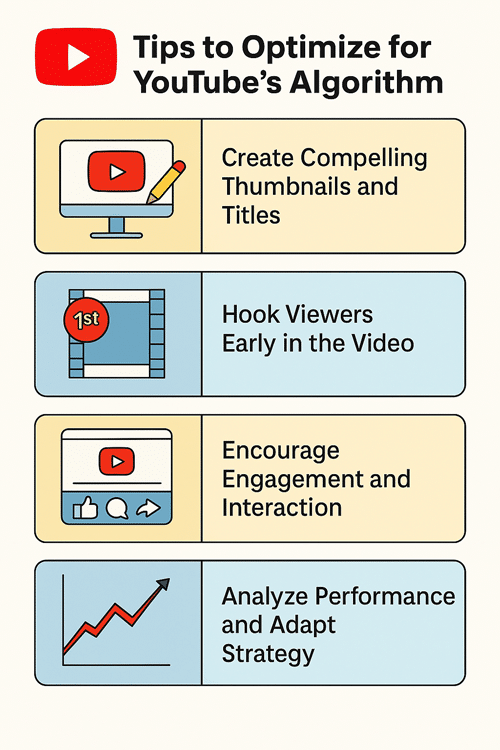
Tips to Optimize for YouTube’s 2026 Algorithm
✅ Focus on Audience Retention
Hook viewers in the first 10 seconds and deliver immediate value.
Avoid lengthy intros or unrelated tangents — every drop in retention hurts AVD.
✅ Design Thumbnails and Titles That Convert
Use contrast, emotion, and curiosity to improve CTR.
A small bump from 4% to 6% CTR can dramatically expand reach.
✅ Use Analytics to Refine Strategy
Regularly check YouTube Studio’s Analytics Audience Retention Graph and Traffic Sources. Identify where viewers drop off, and adjust pacing accordingly.
✅ Encourage Engagement
Ask viewers to comment, like, or answer a question in the comments. YouTube’s system rewards interaction.
✅ Stay Consistent
The algorithm prefers active creators. Regular uploads signal reliability and increase impressions over time.
Final Verdict: The Algorithm Rewards Value and Consistency
In 2026, YouTube’s algorithm remains focused on one principle — viewer satisfaction.
CTR attracts viewers, AVD keeps them watching, and engagement keeps them returning.
Buying high-quality YouTube views can help you jump-start visibility, but long-term success depends on content that genuinely holds attention.
Key takeaway: Optimize your thumbnails and retention, post consistently, and use safe growth strategies to let the algorithm do the heavy lifting for you.
